AAYURNATRUX NEXTGEN HEALTHTECH PVT.LTD DARED GIDC-II Jamnagar, 361001 Gujarat, India

About Us
MISSION STATEMENT
To manufacture products which helps human beings survive out of hormonal disorders & save their organs
VISION STATEMENT
JAAYUH : Core Group Values & Principles
- Values & Principles
Considering the interest of investors, Partners, Distributors, Employees, Customers & the
“Human Mankind” as a whole.
To manufacture products which helps human beings survive out of hormonal disorders & save their organs
www.ayutranextgenhealthtech.in - Integrity & Accountability
Upholding social, economical , ethical and highly accountable responsibility for success & failures. - Innovation & Excellence
Continuous improvement & steering for higher standards for pioneering innovation by finding out ways
for new solutions. - Sustainability & Social Development
Contributing towards the social & economical well being of communities by implementing
environmental principles across the globe - Collaboration & Inclusion
Teamwork & building a transparent process by implementing a systematic approch within its workforce. - Transparency & Honesty
Reflecting transparency & delivering honesty across the down stream for a transparent & a system
standard operating procedure (SOP) for its INTERNAL CUSTOMER as well as EXTERNAL CUSTOMER’S.
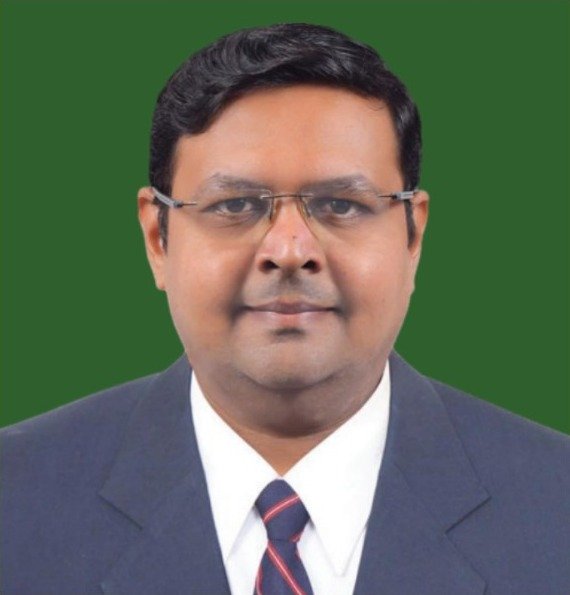
MESSAGE FROM THE CEO & MD
The ancient Indian system of medicine, Ayurveda, is causing a ripple effect of entrepreneurial opportunities, where the application of traditional knowledge becomes synced with modern business strategies. This article informs readers about the future path and predictions of entrepreneurship in Ayurveda. Factors are discussed which would shape the future. This is being driven largely by the increasing consumer demand for products that are more natural and holistic in the health solutions they provide; the COVID-19 pandemic is an added impetus to the appeal of immunity-boosting VIA Ayurvedic products. Innovations in the area of technological advancements are seen globally in general and within domains of digital health platforms and artificial intelligence, which is fundamentally changing the practice of Ayurveda from a person-centric healing approach to one that is available globally.
Innovations are of prime importance in meeting contemporary customer expectations and increasing the impact of the treatment given through Ayurveda. Another important factor of support is from the governmental side through regulatory support, especially the Indian government. The Ministry of AYUSH (Ayurveda, Yoga, and Naturopathy, Unani, Siddha, Sowa Rigpa, and Homeopathy) in India has provided every needed support in promoting research in Ayurveda, its standardization, and the quality and safety of the products. There is also a growing concern for sustainability and ethics in practices. There is, however, a sea change with the increasing number of entrepreneurs who have adopted eco-friendly sourcing methods and fair trade practices in an effort to make their business models indelibly associated with Ayurveda’s core principles: human beings living in harmony and perfect balance with the rest of nature. The Ayurvedic products and services market is expected to grow manifold with new product developments and growing demand from global consumers increasingly focusing on products broadly categorized under “holistic wellness.” Market expansion, hence, allows several opportunities for entrepreneurs to develop new markets and new product offerings that can cater to the perceived health needs of a broad customer base. With growth and development come challenges such as regulatory roadblocks, market competition, and consumer distrust, which are issues that need to be coped with for sustained business